From Sovereignty Patrols to Maritime Governance
From 2021 to 2026, the Philippine Navy (PN) expanded maritime security operations beyond defense functions into structured fisheries protection, anti-IUU enforcement, humanitarian response for fishing communities, coral reef safeguarding, and inter-agency maritime governance.
Operations were conducted across the West Philippine Sea, Sulu-Celebes Sea, Philippine Rise, Palawan waters, Visayas fishing corridors, and the Moro Gulf.
Legal & Institutional Framework
- Republic Act 10654 (Amended Fisheries Code; Anti-IUU Fishing)
- Republic Act 8550 (Fisheries Code)
- UNCLOS obligations
- National Coast Watch System
- AFP modernization maritime surveillance doctrine
Operational Partners
- Bureau of Fisheries and Aquatic Resources (BFAR)
- Philippine Coast Guard (PCG)
- National Coast Watch Center (NCWC)
- Department of Environment and Natural Resources (DENR)
- Local Government Units (LGUs)
- Joint Task Force West / Western Command (WESCOM)
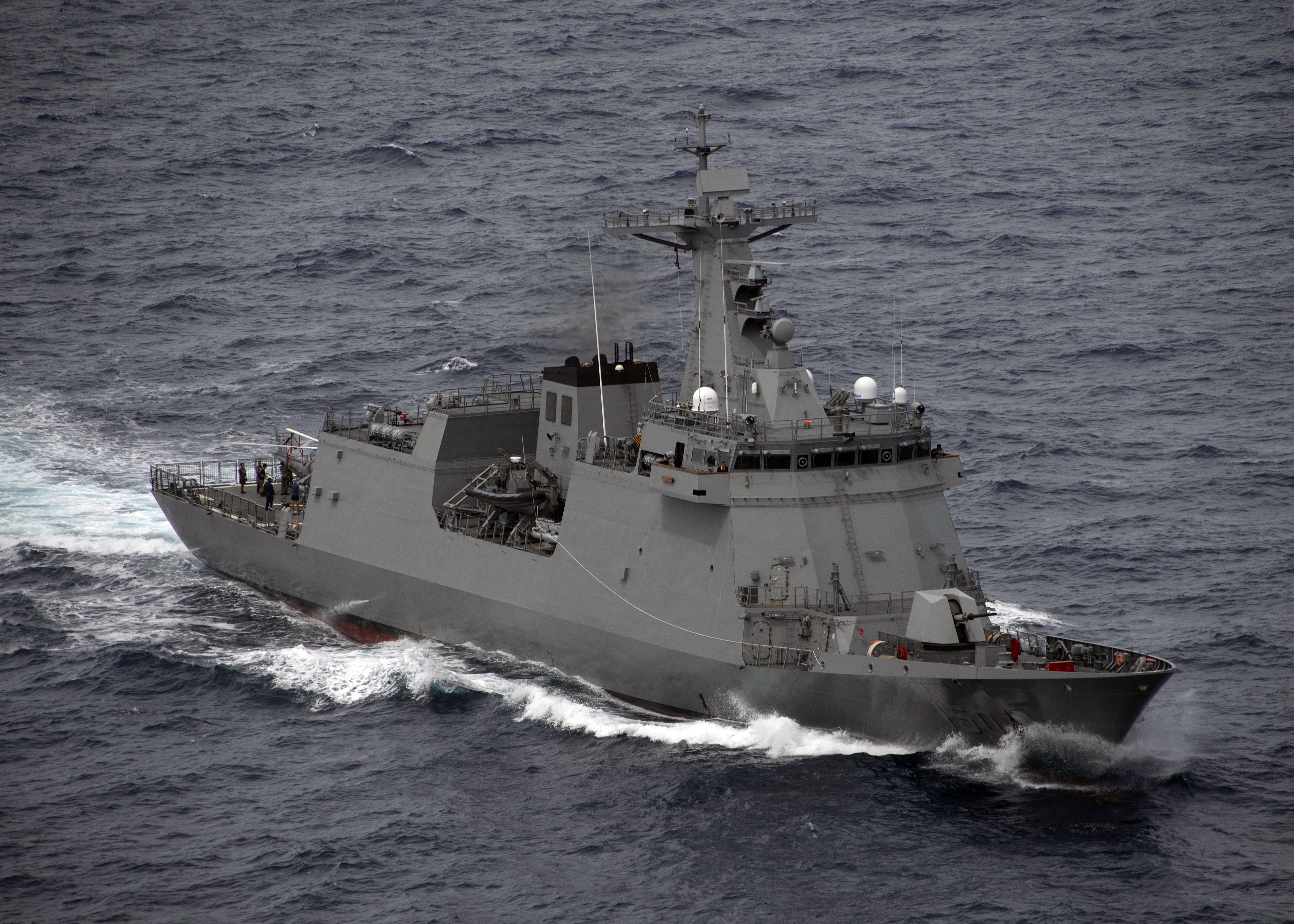
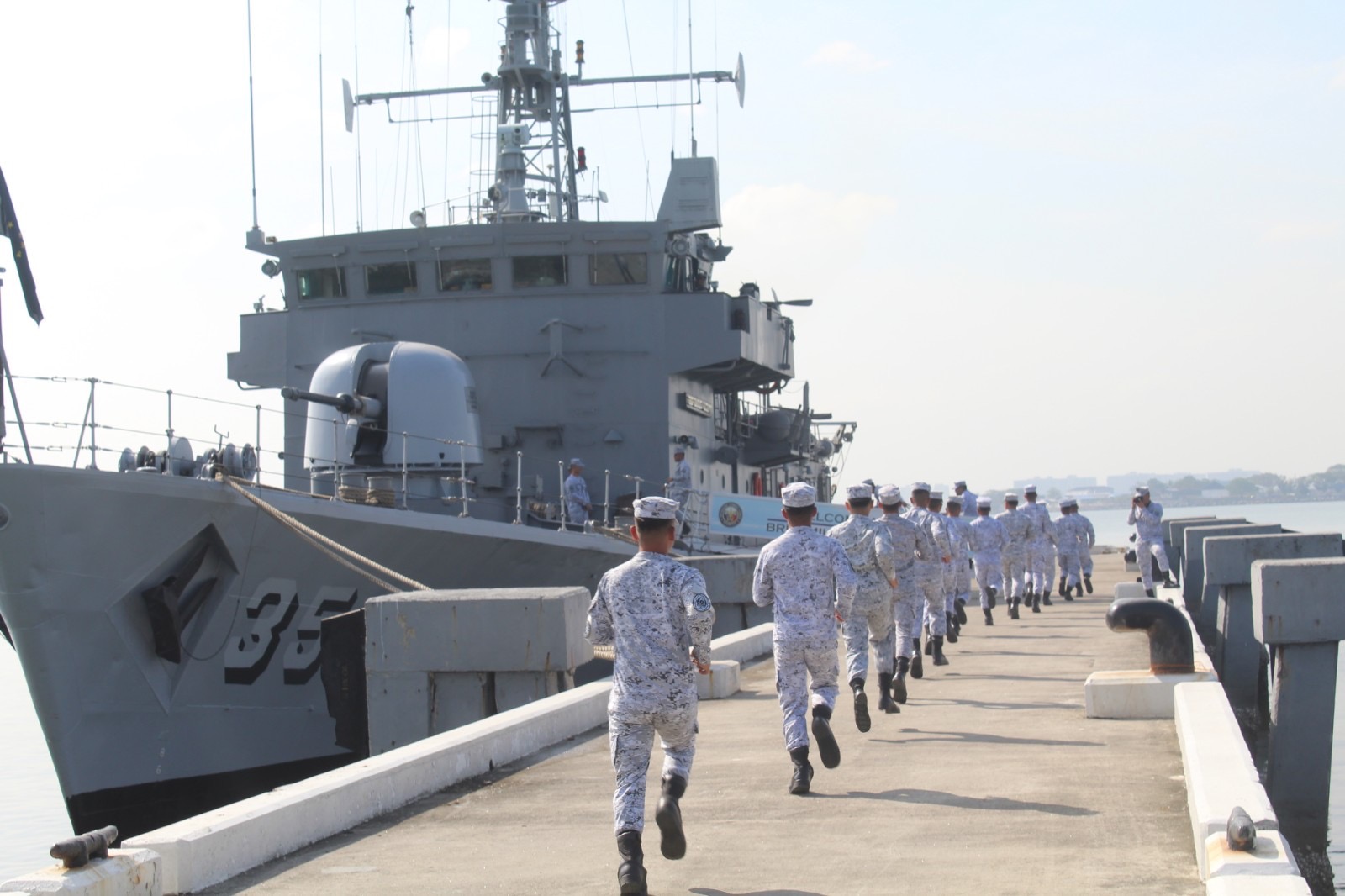
- Increased maritime patrols near Kalayaan Island Group
- Escort and presence missions near traditional Filipino fishing grounds
- Maritime domain monitoring against foreign maritime militia vessels
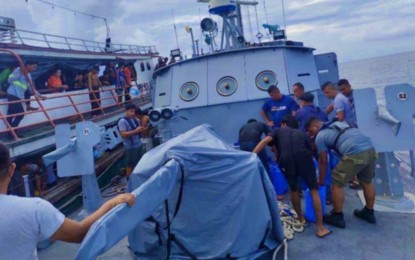
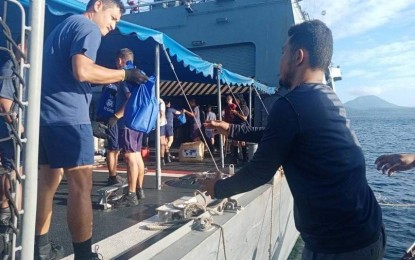
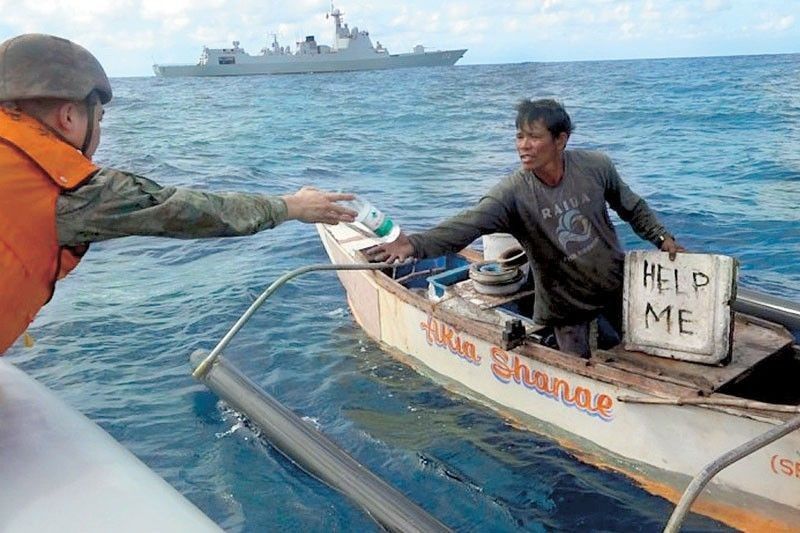
- Humanitarian assistance: distribution of fuel, water, food packs to stranded fishermen
- Maritime safety advisories during monsoon disturbances
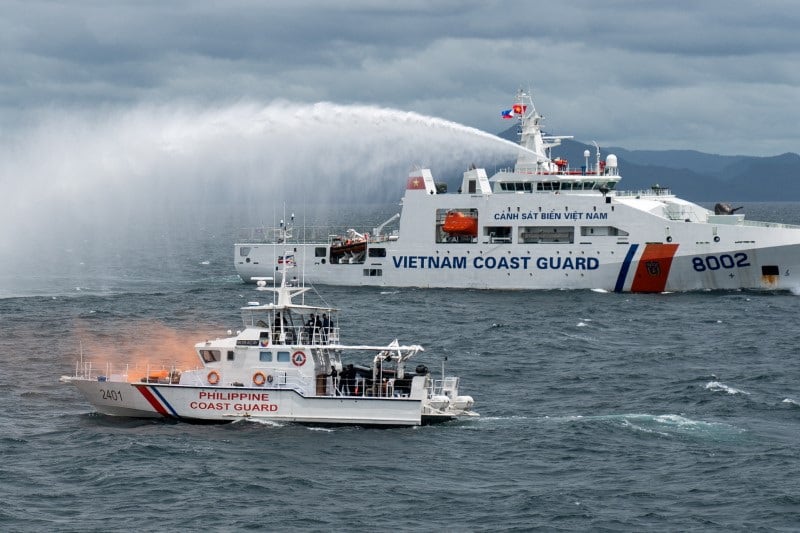
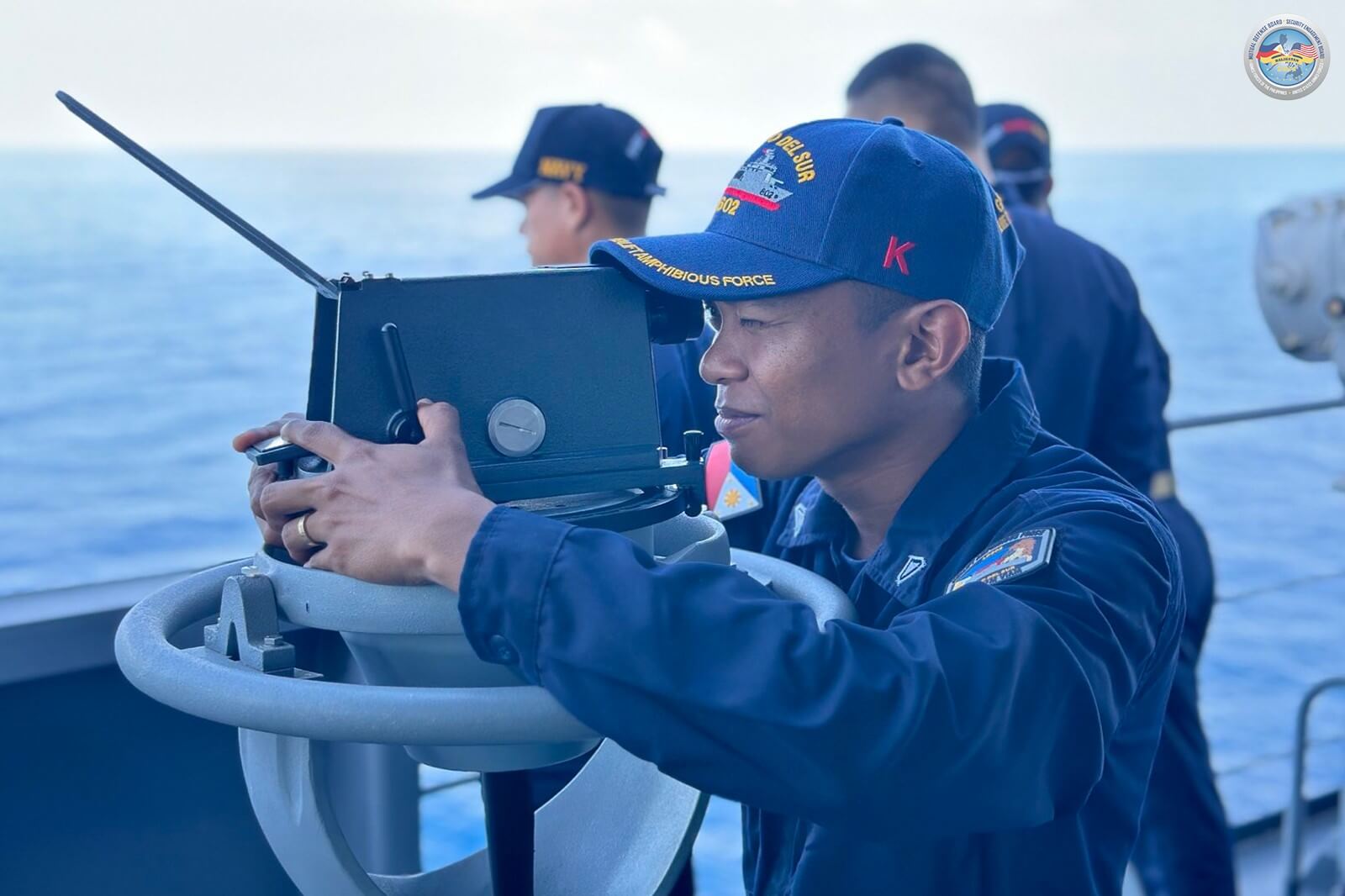
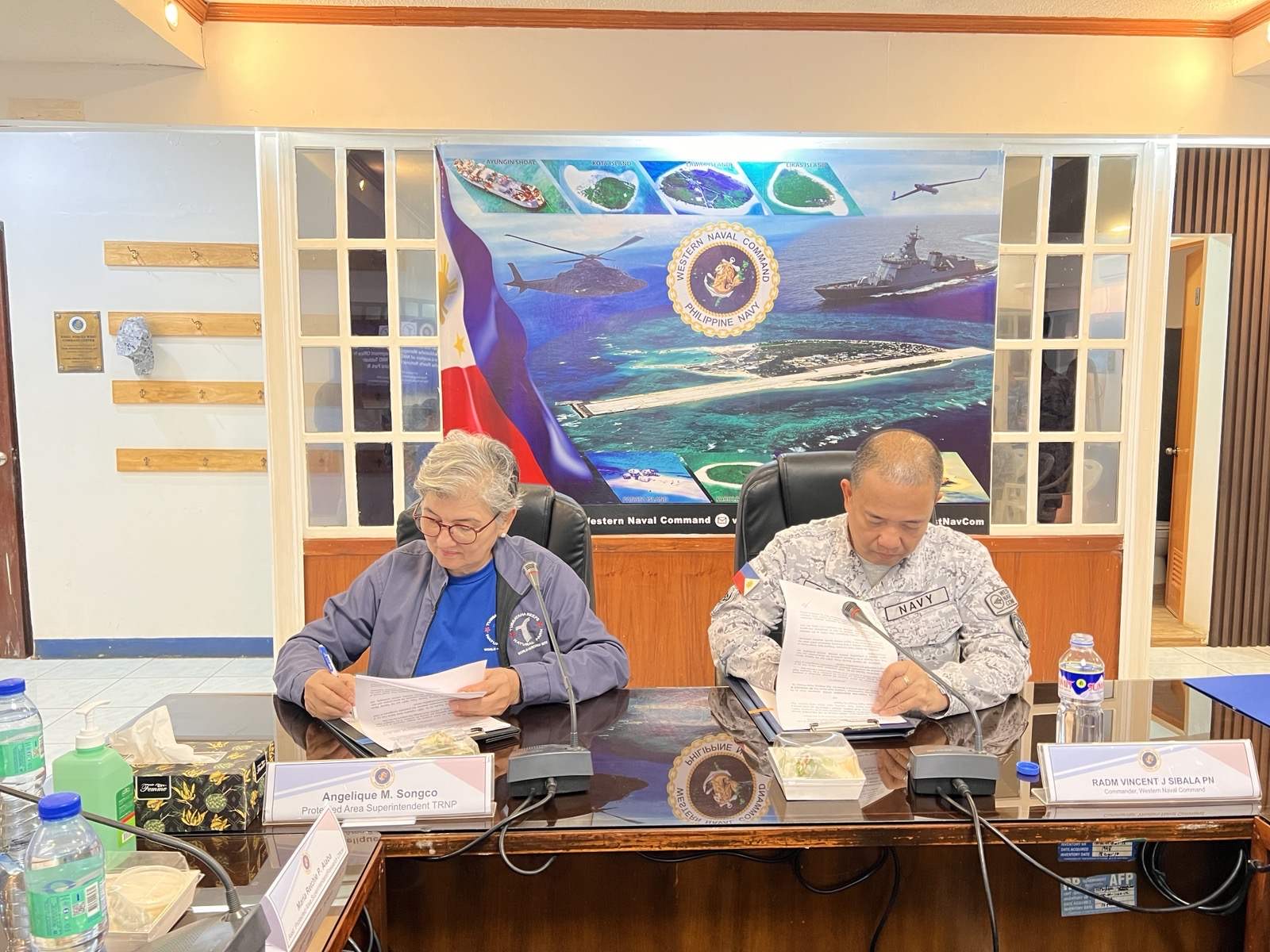
- Formalized joint patrol structures with BFAR and PCG
- Anti-IUU interdictions in Zamboanga, Sulu Sea, and Palawan corridors
- Interceptions of illegal commercial trawlers
- Search and rescue (SAR) operations for distressed fishing vessels
- Monitoring of coral reef damage reports in marine protected areas
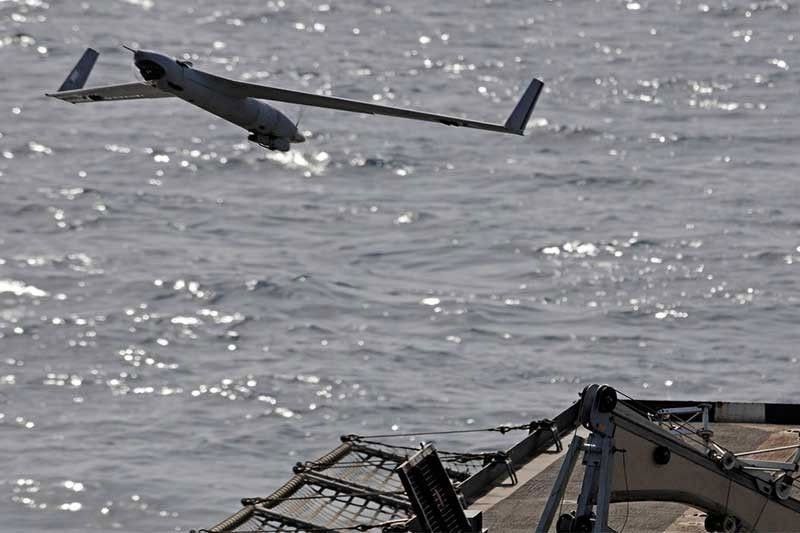
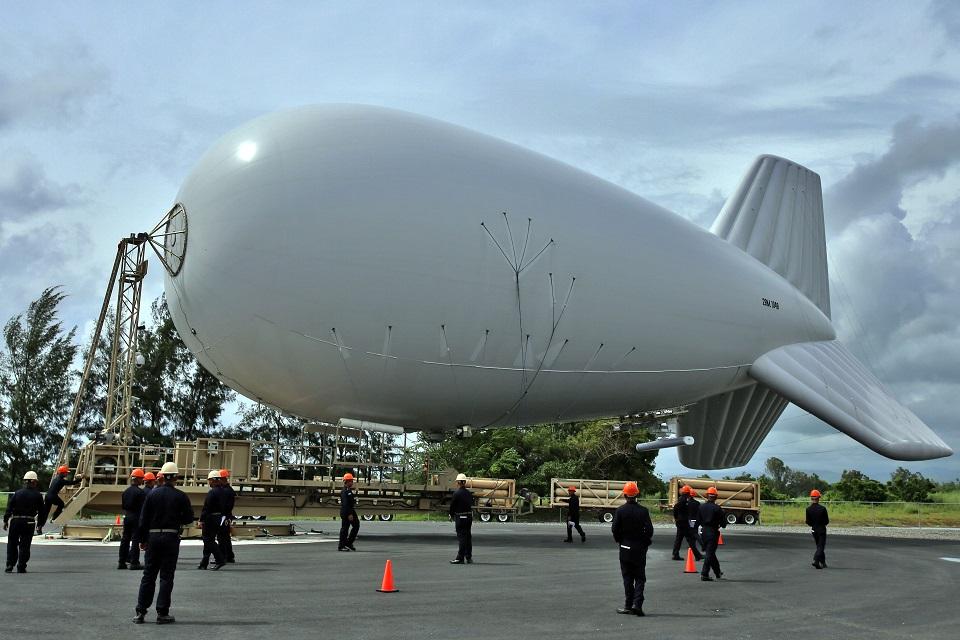
- Expanded ISR (Intelligence, Surveillance, Reconnaissance) flights
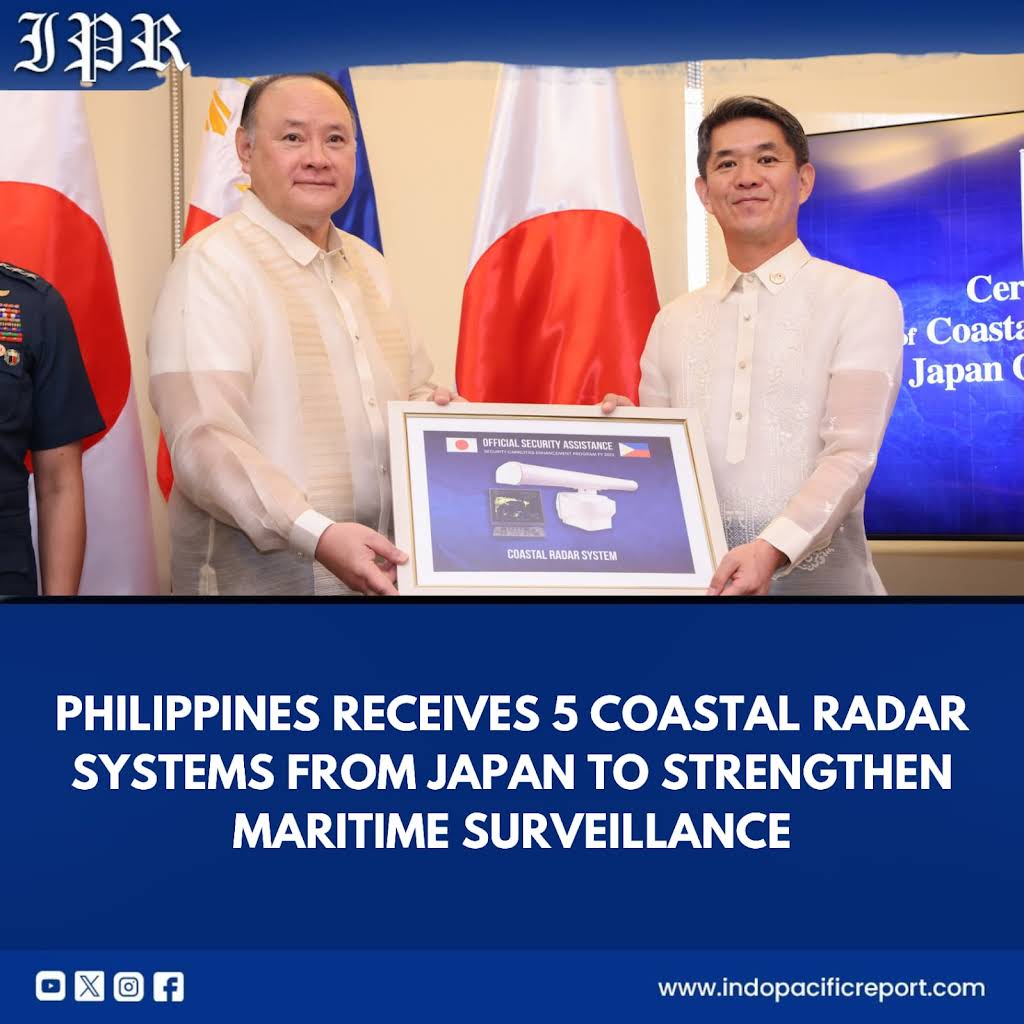
- Deployment of radar-linked maritime picture integration
- Support to Philippine Rise fisheries monitoring
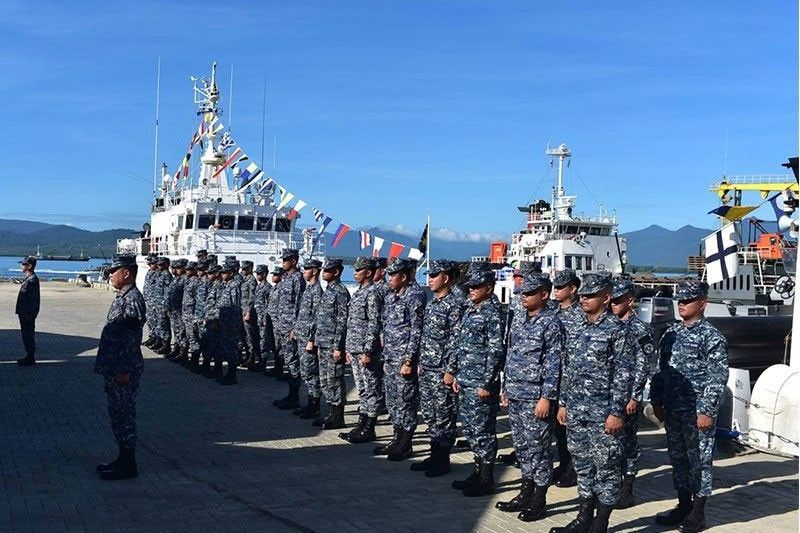
- Civil-military engagement programs with coastal communities
- Reef zone observation missions with DENR
- Sustained patrol cycles in WPS shoals
- Environmental security integration into naval patrol briefings
- Coral reef surveillance reporting to DENR marine units
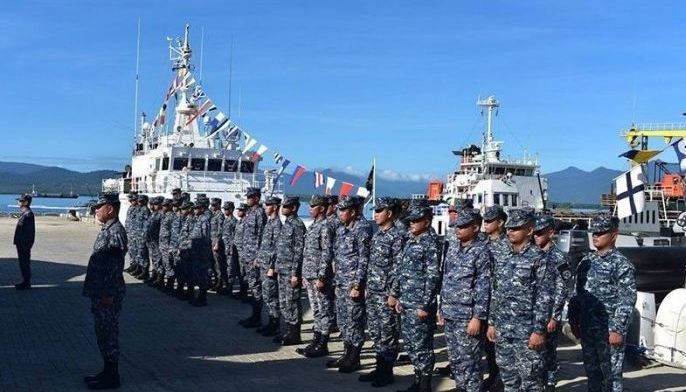
- Joint maritime exercises reinforcing fisheries protection capability
- Expanded civil-military medical and relief missions to island fishing communities
- Boarding support for BFAR-led inspections
- Monitoring of foreign vessels near reef ecosystems
- Coordination with prosecutors under RA 10654
- Reinforced deterrence patrols in response to seasonal fishing peaks
- Fisheries protection integrated into broader maritime security messaging
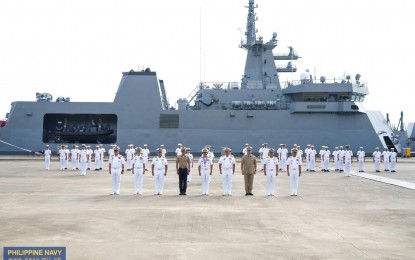
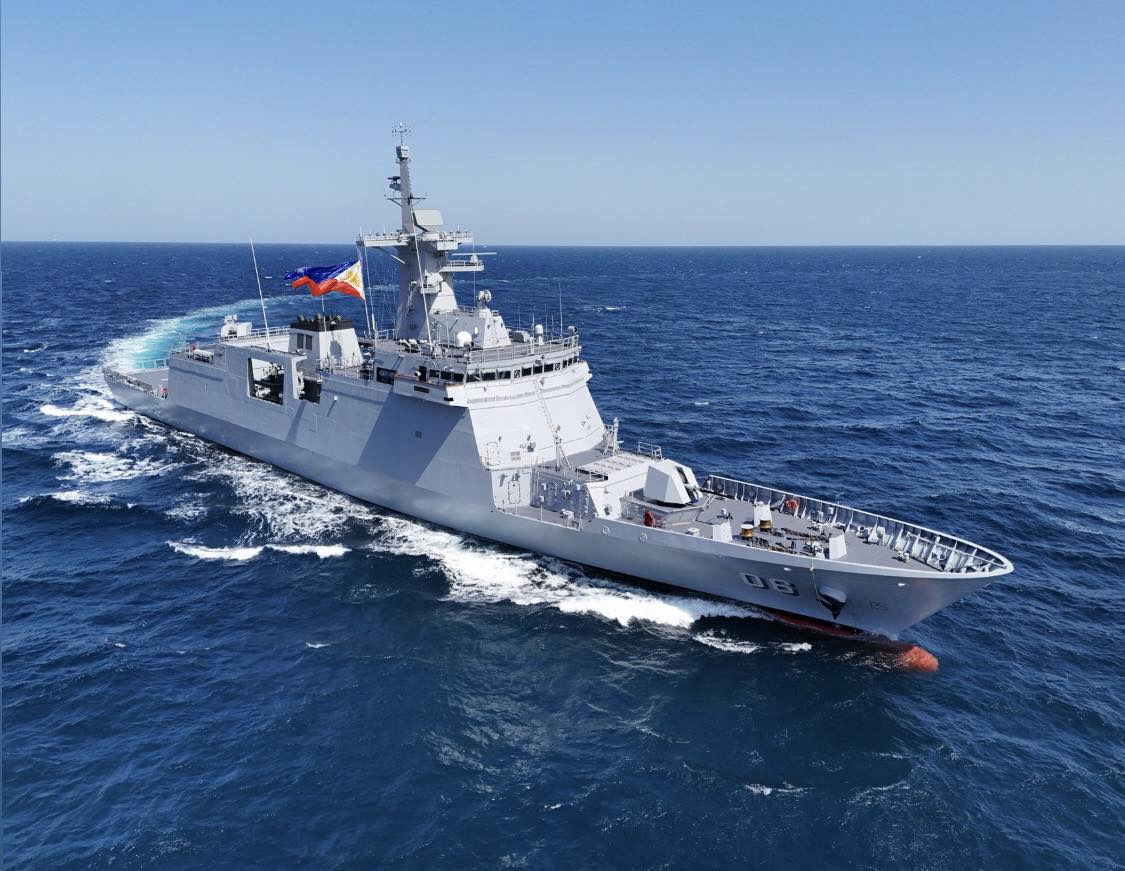
- Modern frigate deployments in fisheries-sensitive zones
- Real-time fisherfolk reporting integration via coastal intelligence nodes
- Expanded coordination with National Coast Watch
- Environmental security embedded into maritime doctrine
- Continued SAR and typhoon response operations for fishing communities
Thematic Analysis
1. Anti-IUU Fishing Enforcement
Legal Anchor: Republic Act 10654
- Surveillance & interdiction support
- Evidence security & vessel shadowing
- Maritime perimeter control
Geographic focus: West Philippine Sea, Sulu-Celebes Sea, Moro Gulf, Palawan fisheries belt.
Observed effects: Increased reporting confidence among fisherfolk. Reduced unmonitored foreign vessel presence during patrol windows.
2. Fishermen Assistance & Humanitarian Response
- SAR missions & engine repair support
- Fuel and food distribution
- Medical missions & typhoon evacuation support
Impact: Strengthened Navy-community trust. Reinforced maritime presence legitimacy.
3. Coral Reef & Marine Ecosystem Protection
Coordination with DENR Marine Protected Area units & BFAR reef monitoring teams
- Surveillance of reef damage
- Reporting blast fishing indicators
- Monitoring large-scale dredging risks
- Marine habitat observation patrols
Strategic framing: Environmental degradation recognized as security risk multiplier.
5. Strategic Significance
- Food Security: Protection of EEZ fishing grounds preserves national protein supply chain
- Sovereignty: Sustained patrol presence reinforces EEZ claims under UNCLOS
- Environmental Stability: Coral reef protection safeguards biodiversity and long-term fisheries viability
- Civil-Military Integration: Enhanced legitimacy and domestic support
4. Layered Maritime Security Model
This model increased operational persistence and reduced enforcement gaps.
Quantitative Patterns (2021–2026)
- Patrol frequency increased annually
- Inter-agency exercises expanded in scope
- Modern vessel deployment improved endurance
- Humanitarian missions rose during severe weather cycles
- Fisheries protection incorporated into naval public communications
Precise arrest/interdiction statistics vary by year and are primarily documented under BFAR and PCG reporting streams.
Strategic Assessment
Strengths
- Persistent maritime presence
- Strong legal framework
- Inter-agency coordination maturation
- Improved maritime domain awareness
Constraints
- Vast maritime area relative to asset numbers
- Weather limitations
- Escalatory risk in contested waters
- Jurisdictional overlap complexities
Forward Outlook (Post-2026)
- Greater satellite and UAV integration
- Enhanced fisherfolk intelligence networks
- Increased multilateral patrol cooperation
- Expanded reef monitoring partnerships
- Integration of environmental security into doctrine
A Unified Operational Mandate
Between 2021 and 2026, the Philippine Navy evolved from primarily sovereignty patrol functions to a structured maritime security actor supporting fisheries protection, anti-IUU enforcement, coral reef preservation, and fisherfolk humanitarian assistance.
The layered patrol system, inter-agency integration, and persistent presence strategy collectively strengthened food security protection and maritime governance in Philippine waters.
The PN's role now reflects a broader concept of maritime security: sovereignty enforcement, environmental stewardship, and civilian livelihood protection operating as a unified operational mandate.
Sources & References
Research Source
This report was compiled as a research synthesis using ChatGPT (OpenAI). Original conversation: View original ChatGPT research conversation →
Legal Framework
- RA 10654 Amended Philippine Fisheries Code — Anti-Illegal, Unreported and Unregulated (IUU) Fishing
- RA 8550 Philippine Fisheries Code of 1998
- UNCLOS United Nations Convention on the Law of the Sea
Image Sources
- Philippine News Agency pna.gov.ph — Official government news service
- PhilStar philstar.com — Philippine news media
- GMA News gmanetwork.com — Philippine broadcast & news
- Reuters reuters.com — International news agency
- Inquirer.net inquirer.net — Philippine Daily Inquirer
- Tribune tribune.net.ph — Daily Tribune Philippines
- AFP afp.mil.ph — Armed Forces of the Philippines
- Wikimedia Commons commons.wikimedia.org — Public domain media
Institutional Sources
- Philippine Navy Official operations reports & public communications
- BFAR Bureau of Fisheries and Aquatic Resources — fisheries enforcement data
- PCG Philippine Coast Guard — interdiction & rescue statistics
- DENR Department of Environment and Natural Resources — reef monitoring
- NCWC National Coast Watch Center — maritime domain awareness
- WESCOM AFP Western Command — West Philippine Sea operations